

Initially, withholding tax seems quite puzzling, particularly when companies have to make cross-border payments or hire international service providers. A lot of Malaysian businesses continue stumbling on tax deductions that must be done before releasing payments to non-residents, which may result in confusion if the regulations are not strictly known. Besides identifying taxable payments, figuring out which ones are not, might also be hard for new business owners.
Here is why withholding tax matters. It is more than just fulfilling a mere technical formality - it can be turned into a powerful tool that allows a business to proficiently interact with the tax authority of Malaysia while at the same time keeping financial transactions transparent. By implementing tax deduction at source, enterprises not only make sure that revenue obtained within the country is declared and subject to taxation but also account for paying foreign suppliers.
Before diving deep, take time to comprehend the whole concept and see its benefits: time-saving, simplifying the process, reducing risks, and avoiding penalties are among them. Also, staying one step ahead financially in your business is a positive effect of understanding the concept. Here, we highlight the key aspects of the topic and explain each step clearly so it is very understandable even for beginners.
What Is Withholding Tax in Malaysia?
Withholding tax is a kind of tax that gets deducted from a payment at the very source. It usually happens when a company is paying money to non-residents. Instead of the person who gets the money paying taxes afterward, the one who gives the money deducts a share and accounts it to the tax department.
In Malaysia, withholding tax is mostly applicable to payments like royalties, technical services, interests, and specific contract payments. These taxes help in making sure that the income generated inside the country is taxed correctly, even if the person getting the money is abroad.
As a new learner, what you have to realize is that this arrangement transfers the duty to the person who pays the money, thereby making the adherence to the rules essential in financial transactions.
Why Withholding Tax Matters for Businesses
In Malaysia, taxation compliance for companies doesn't end with submission of annual returns. It also entails the making of payments to foreign entities. Those that violate withholding tax rules will be punished with fines, extra expenses and business operation delays. Properly dealing with such payment systems, on the other hand, helps your company show its true financial state and gain regulators' confidence. Companies that get a grip on the tax payment process from the start of the year are able to conduct the financial activities that suit their needs without causing any disruptions.
Types of Payments Subject to Withholding Tax
Not all payments require tax deduction, but certain categories are clearly defined under Malaysian tax rules. These include payments for services, technical fees, royalties, and interest.
For example, if a Malaysian company hires a foreign consultant, the payment may be subject to withholding tax. Similarly, licensing fees for using intellectual property from overseas providers are also included.
Understanding which payments are applicable helps businesses plan their expenses and avoid unexpected deductions.
Applicable Rates and How They Work
The tax rate depends on the type of payment and whether a tax treaty exists between Malaysia and the recipient’s country. Different categories have different rates, and these can change based on agreements.
If a tax treaty is available, businesses may benefit from reduced rates. However, proper documentation is required to apply these benefits.
For beginners, it’s always a good idea to verify the correct rate before making payments to ensure accurate deductions.
When Should Withholding Tax Be Paid?
Timing plays a critical role in compliance. In Malaysia, the deducted amount must be submitted to the tax authority within a specific period after the payment is made.
Late payments can result in penalties, which increase the overall cost for the business. This is why maintaining a proper schedule for tax submission is essential.
Businesses should align their accounting processes to ensure timely payments and avoid unnecessary complications.
Common Mistakes to Avoid
Many beginners make errors when dealing with withholding tax, often due to lack of clarity or oversight. One common mistake is failing to identify taxable payments.
Another issue is applying incorrect tax rates or missing deadlines for submission. These mistakes can lead to financial penalties and administrative challenges.
By staying informed and maintaining accurate records, businesses can significantly reduce these risks and ensure smooth operations.
How to Stay Compliant Easily
Compliance does not have to be complicated. With the right approach, businesses can manage withholding tax efficiently without stress.
Using accounting software, maintaining clear documentation, and consulting professionals when needed can make a big difference. These steps help ensure that all tax obligations are met correctly.
A structured process not only improves compliance but also saves time in the long run.
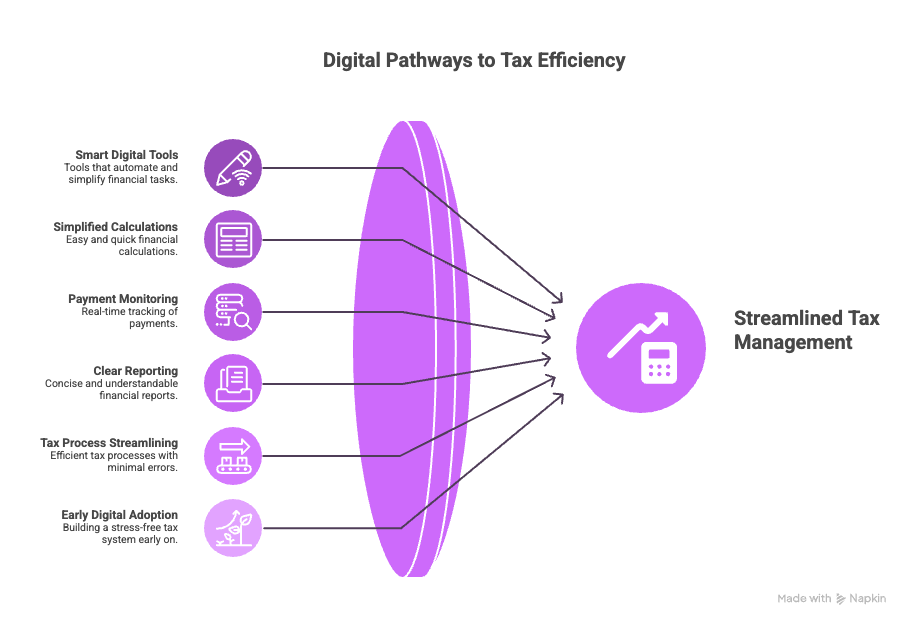
Role of Digital Solutions in Tax Management
- Businesses today rely on smart digital tools to handle financial work faster and more efficiently
- These tools simplify complex calculations, monitor payments, and generate clear reports in minutes
- Platforms like Blazebiz help streamline tax processes and minimize human errors
- Automation ensures accurate tax deductions and timely submissions without manual effort
- For beginners, starting early with digital solutions builds a smooth and stress-free tax management system
Benefits of Understanding Withholding Tax Early
Understanding withholding tax is essential for any business dealing with payments to non-residents in Malaysia. While it may seem complex at first, breaking it down into simple concepts makes it easier to manage.
By identifying applicable payments, applying the correct rates, and meeting deadlines, businesses can stay compliant without difficulty. Leveraging digital tools like Blazebiz further simplifies the process and reduces the chances of errors.
For beginners, the key is to stay informed, maintain proper records, and approach tax management with a structured plan. With the right steps, handling withholding tax becomes a smooth and manageable part of business operations.
Conclusion
Struggling with accounts is a common experience for many SMEs, especially as their operations expand. Relying on manual methods or basic tools can create inefficiencies and increase the risk of errors.
By adopting the best online accounting software, businesses can simplify their financial processes, improve accuracy, and gain better control over their operations. Blazebiz offers solutions that help SMEs manage their accounts with ease while supporting growth and stability.
Moving toward smarter accounting practices is not just about convenience—it is about creating a system that enables businesses to operate confidently and efficiently in the long run.
Frequently Asked Questions
1. What is withholding tax in simple terms?
It is a tax deducted at the source when making certain payments, especially to non-residents, and then submitted to the tax authority.
2. Who is responsible for paying withholding tax in Malaysia?
The payer (usually a Malaysian business) is responsible for deducting and submitting the tax before making the payment.
3. Can businesses reduce withholding tax rates?
Yes, if there is a tax treaty between Malaysia and the recipient’s country, businesses may apply reduced rates with proper documentation.